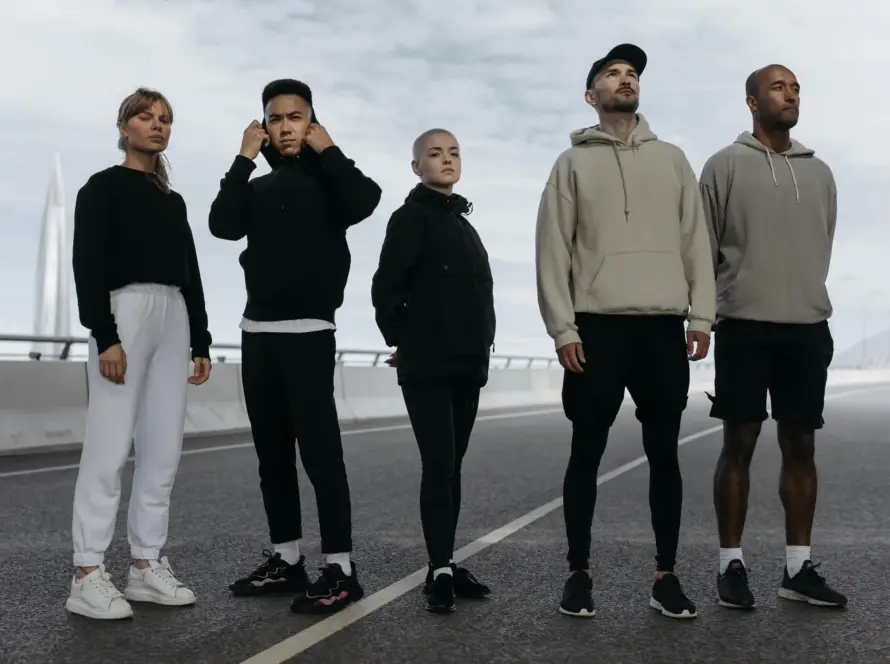
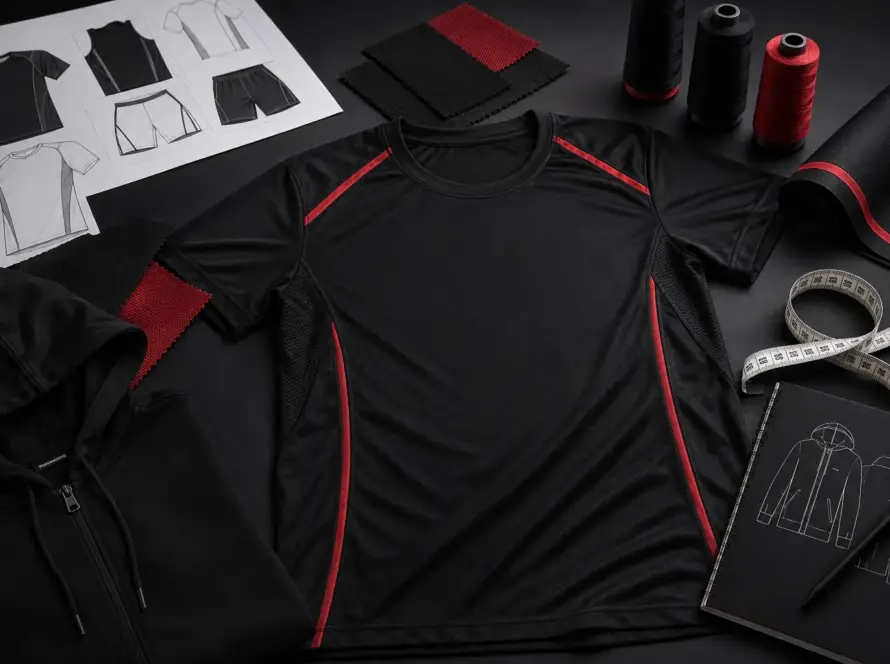
Sportswear Fabric Guide: Choosing the right fabric is one of the most important decisions for athletes, sportswear brands, and manufacturers. The right material improves comfort, performance, durability, and moisture management across different sports. This Sportswear Fabric Guide explains how to choose the best fabric for running, football, gym workouts, cycling, yoga, basketball, and more.
Whether you’re a professional athlete, a fitness enthusiast, or a sportswear brand looking to manufacture high-performance apparel, understanding the characteristics of different fabrics is essential. Every sport places unique demands on clothing. A marathon runner needs lightweight moisture-wicking materials, while football players require durable fabrics that can withstand intense physical contact. Similarly, yoga practitioners prioritize stretch and flexibility, whereas cyclists need aerodynamic fabrics with compression benefits.
This comprehensive Sportswear Fabric Guide explains how to choose the right fabric for different sports, the qualities to look for, and why selecting the proper material matters for performance, comfort, and durability.
Sportswear Fabric Guide: Why Fabric Matters
Sportswear isn’t just about style—it directly impacts athletic performance. Modern sports fabrics are engineered to help athletes perform at their best by providing features such as:
- Moisture management
- Breathability
- Stretch and flexibility
- Temperature regulation
- UV protection
- Durability
- Compression support
- Odor resistance
- Lightweight comfort
Choosing the wrong fabric may result in excessive sweating, skin irritation, discomfort, restricted movement, and reduced performance.
Sportswear Fabric Guide: Key Fabric Properties to Consider
Before selecting fabric for any sport, it’s important to understand the essential characteristics that determine performance.
Moisture-Wicking Ability
Moisture-wicking fabrics move sweat away from the skin and spread it across the fabric surface, allowing it to evaporate quickly.
Benefits include:
Keeps athletes dry
Prevents chafing
Improves comfort
Helps regulate body temperature
Common moisture-wicking fabrics include:
Polyester
Nylon
Performance blends
Breathability
Breathable fabrics allow air circulation, helping cool the body during physical activity.
Ideal for:
Running
Cycling
Football
Outdoor training
Stretch and Flexibility
Stretch fabrics provide unrestricted movement and are especially important in sports requiring flexibility.
Typically achieved using:
Spandex
Elastane
Lycra blends
Durability
High-impact sports demand fabrics capable of resisting abrasion, repeated washing, and physical stress.
Durable fabrics include:
Heavy polyester
Nylon
Interlock knit
Double-knit performance fabrics
Lightweight Construction
Heavy clothing increases fatigue.
Lightweight fabrics help athletes:
Move faster
Stay comfortable
Improve endurance
Compression
Compression fabrics provide muscle support by improving circulation and reducing muscle vibration.
Common in:
Running
Cycling
Gym wear
Recovery apparel
Quick Dry Technology
Quick-dry fabrics prevent sweat accumulation, keeping athletes comfortable throughout training sessions.
Best Fabric for Running
Running generates continuous body heat and sweat, making lightweight, breathable, and moisture-wicking fabrics essential.
Recommended Fabrics
Polyester
Polyester-Spandex blend
Nylon blend
Mesh panels
Tips for Sportswear Brands and Manufacturers
If you’re designing or manufacturing sportswear, fabric selection plays a vital role in product quality and customer satisfaction.
Keep these points in mind:
- Understand the specific demands of each sport.
- Use certified, high-performance materials from trusted suppliers.
- Blend fabrics strategically—for example, polyester with spandex for flexibility and durability.
- Test garments for moisture management, colorfastness, stretch recovery, and abrasion resistance.
- Incorporate functional design elements like mesh ventilation, flatlock seams, and ergonomic paneling.
- Consider sustainable options such as recycled polyester to appeal to environmentally conscious consumers.
- Ensure fabrics meet international quality standards, especially if producing for global markets..
By matching the right fabric with the intended activity, manufacturers can create apparel that performs as well as it looks.
Conclusion
Sportswear Fabric Guide: Choosing the right sportswear fabric is essential for maximizing comfort, performance, durability, and long-term value. Whether you’re an athlete or a sportswear brand, this Sportswear Fabric Guide helps you select the best fabric for every sport and activity. Different sports place different demands on apparel, so there is no one-size-fits-all solution. Runners benefit from lightweight, moisture-wicking fabrics, football players need durable and breathable materials, gym enthusiasts require flexible performance blends, while yoga practitioners thrive in soft, stretchable fabrics.
Understanding key fabric properties such as breathability, moisture management, stretch, durability, and quick-dry performance helps athletes make informed decisions and enables manufacturers to produce apparel that meets real-world performance needs.
Whether you’re buying sportswear for personal use or developing a new activewear collection, investing in the right fabric will lead to greater comfort, improved performance, and better overall value.