When global brands start looking for a reliable clothing manufacturer, a handful of countries come up repeatedly: China, Bangladesh, Vietnam, Turkey, and Pakistan. Each has its strengths. But over the past two decades, Pakistan has carved out a reputation that goes beyond just being a cheap option. It is a serious manufacturing destination with deep textile expertise, competitive pricing, and a growing track record of supplying brands across Europe, North America, the Middle East, and beyond.
If you are evaluating Pakistan as a sourcing option, here is an honest look at why so many brands keep coming back.
Bulk Clothing Manufacturing in Pakistan – A Textile Industry Built Over Decades
Pakistan is not new to this. The country has been producing textiles and garments for export since the 1960s, and that longevity matters. What you get when you source from Pakistan is not just a factory, but an entire ecosystem that has been refined over generations.
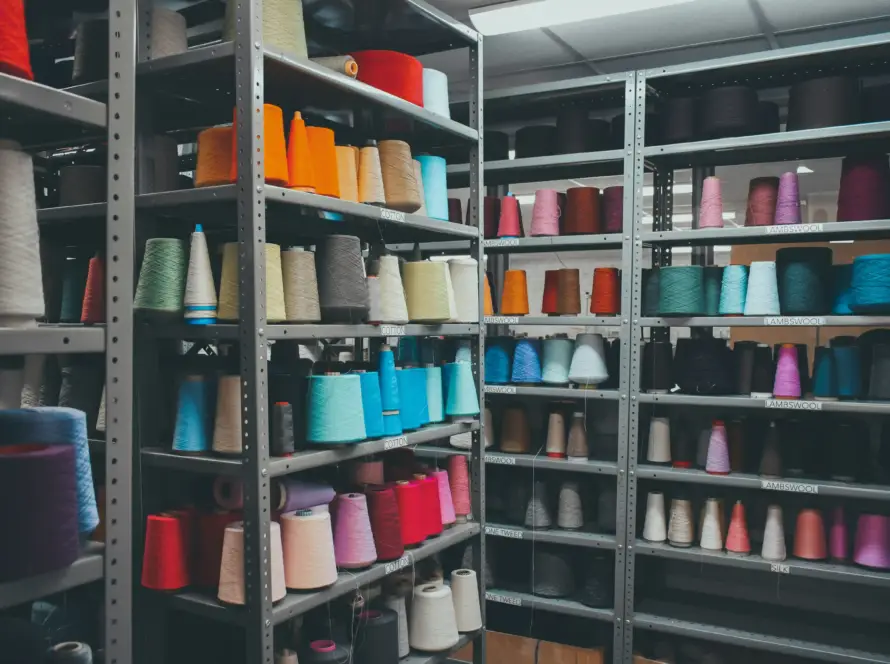
The country is one of the largest producers of cotton in the world, which means access to raw materials is built into the supply chain rather than dependent on imports. Fabric mills, dyeing units, trimming suppliers, embroidery factories, and printing facilities are all clustered in the same industrial cities, which keeps lead times tight and coordination manageable.
Sialkot is globally recognised for sportswear and safety equipment. Lahore and Faisalabad are major hubs for performance fabric manufacturing and apparel production. Karachi handles the bulk of the country’s exports through its port infrastructure. Together these cities form a manufacturing corridor that can handle everything from small specialist runs to high-volume global supply contracts.
Competitive Pricing Without Sacrificing Quality
Price is often the first reason buyers look at Pakistan, and it holds up. Labour costs are lower than in China and Turkey, and significantly lower than in Europe, while the quality of output from established Pakistani manufacturers is fully competitive with any sourcing destination in Asia.
The key distinction is knowing who you are buying from. Pakistan has both world-class factories supplying major international brands and smaller workshops operating with less consistency. The price advantage is real, but it rewards buyers who do their due diligence and build relationships with serious manufacturers rather than chasing the lowest quote on a sourcing platform.
For activewear, jackets, caps, training wear, and safety clothing specifically, Pakistan offers some of the best value for money available anywhere in the world. The combination of technical fabric expertise, skilled labour, and competitive factory pricing means buyers consistently get a strong product at a unit cost that works commercially.
GSP+ Trade Status with the European Union
For European buyers, Pakistan’s GSP+ status is a significant financial advantage that is often underappreciated. Under the GSP+ scheme, Pakistan-origin textile and garment exports to the EU qualify for zero or significantly reduced import duties.
To put that in context, standard import duties on clothing entering the EU can range from 10 to 12 percent of the customs value. On a large order, that is a meaningful cost. Pakistani exporters with valid certificates of origin allow their European buyers to claim these preferential rates, which directly improves the landed cost of goods.
This trade advantage makes Pakistan especially attractive for buyers in the UK, Germany, the Netherlands, France, Spain, and other major European markets. It is one of the reasons European brands in the sportswear, workwear, and outdoor sectors have increasingly turned to Pakistan as a primary sourcing destination.
Technical Expertise in Performance Fabrics
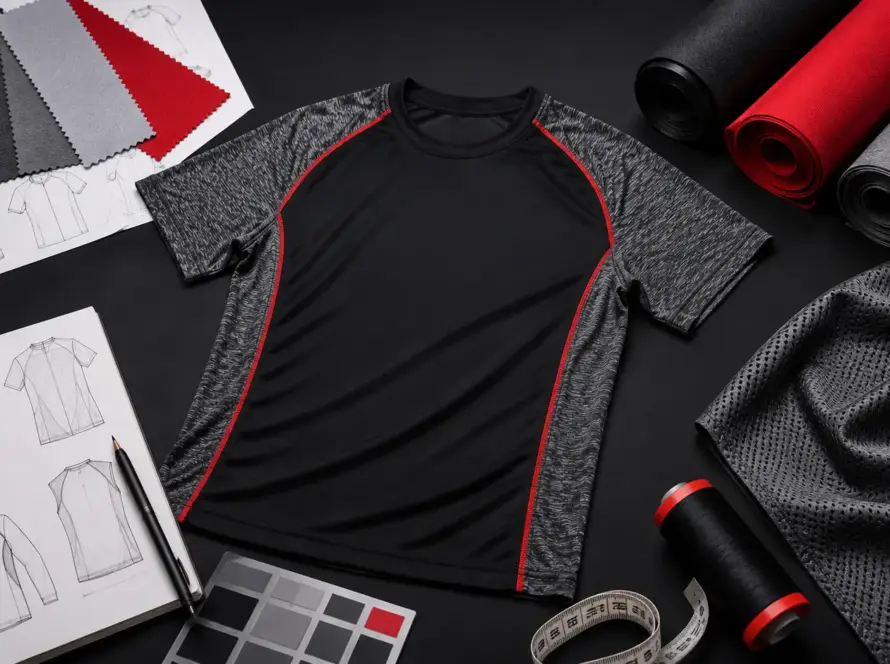
Pakistan’s manufacturing base is particularly strong in the categories that global buyers find hardest to source well: performance activewear, technical outerwear, safety clothing, and structured headwear.
Factories in Pakistan have spent years developing expertise in working with technical fabrics. Moisture-wicking polyester, compression spandex blends, four-way stretch materials, bonded membranes, and waterproof coatings are all well within the capabilities of established Pakistani manufacturers. This is not a market that only handles basic cotton T-shirts. It is a sophisticated manufacturing environment that can produce complex technical garments to international standards.
For brands sourcing activewear, training wear, or performance outerwear, this technical depth is a major advantage. You can work with a Pakistani manufacturer on detailed fabric specifications, custom constructions, and performance requirements in the same way you would with a factory in any leading manufacturing country.
A Strong Track Record with International Brands
Pakistan’s garment industry exports billions of dollars worth of clothing every year to markets across Europe, North America, the Middle East, Australia, and beyond. Behind those numbers are thousands of individual brand relationships built on consistent quality, reliable delivery, and competitive pricing.
Major global retailers, sports brands, workwear companies, and fashion labels all source from Pakistan. Many do not advertise this fact because their Pakistan-made products carry their own branding, but the manufacturing origin is well established within the sourcing industry.
For buyers who are new to Pakistan as a sourcing destination, this track record is reassuring. You are not taking a risk on an unproven manufacturing hub. You are joining a long list of brands that have already validated the model.
Flexibility for Growing Brands
One advantage that does not always get mentioned is that Pakistan’s manufacturing sector is particularly well suited to brands that are growing. Unlike some sourcing destinations where factories are geared almost exclusively toward enormous volumes, Pakistan has a healthy mix of factory sizes. This means that brands at different stages of growth can find the right manufacturing partner.
A brand placing its first 200-piece order and a brand placing a 50,000-piece order can both find capable manufacturers in Pakistan. As your volume grows, you can deepen the relationship with your existing manufacturer and negotiate better terms, or move to a larger facility within the same ecosystem.
This scalability is valuable. It means Pakistan can be your sourcing destination from the early stages of your brand all the way through to serious scale, rather than being a stopgap you outgrow quickly.
Communication and Time Zone Considerations
One practical concern buyers often raise about overseas manufacturing is communication. Pakistan’s time zone (PKT, UTC+5) means there is some overlap with European working hours in the morning, and less overlap with North American buyers. In practice, most established Pakistani exporters are experienced at managing international client relationships and respond promptly to emails regardless of time zone.
WhatsApp is widely used for quick communication and progress updates. Video calls for sample reviews and production updates are standard. The language barrier is minimal at the exporter level, as English is widely spoken in Pakistan’s business community.
Why Vertigo
At Vertigo, we manufacture activewear, training wear, jackets, caps, and safety clothing for brands, retailers, distributors, and corporate buyers across the world. Our production is based in Pakistan, and we are proud of what that means: competitive pricing, deep fabric expertise, flexible order volumes, and a team that understands what international buyers need.
We have built our business on transparency, consistent quality, and straightforward communication. If you want to understand exactly what sourcing from Pakistan can look like for your brand, get in touch and we will give you a clear, honest picture.
Related reading: How to order activewear in bulk from Pakistan: a step-by-step guide | Vertigo quality control process: how we ensure every shipment meets spec